Why this was noticed
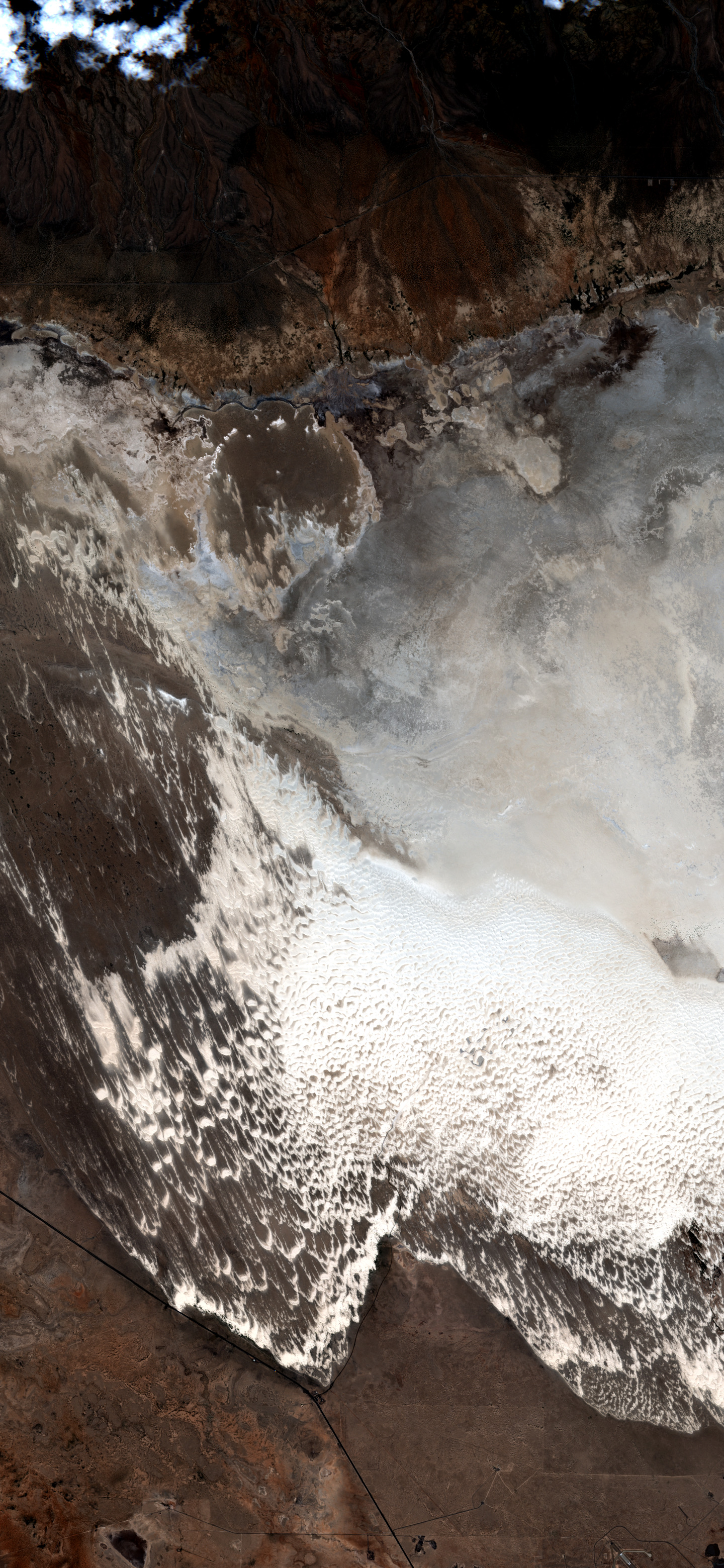
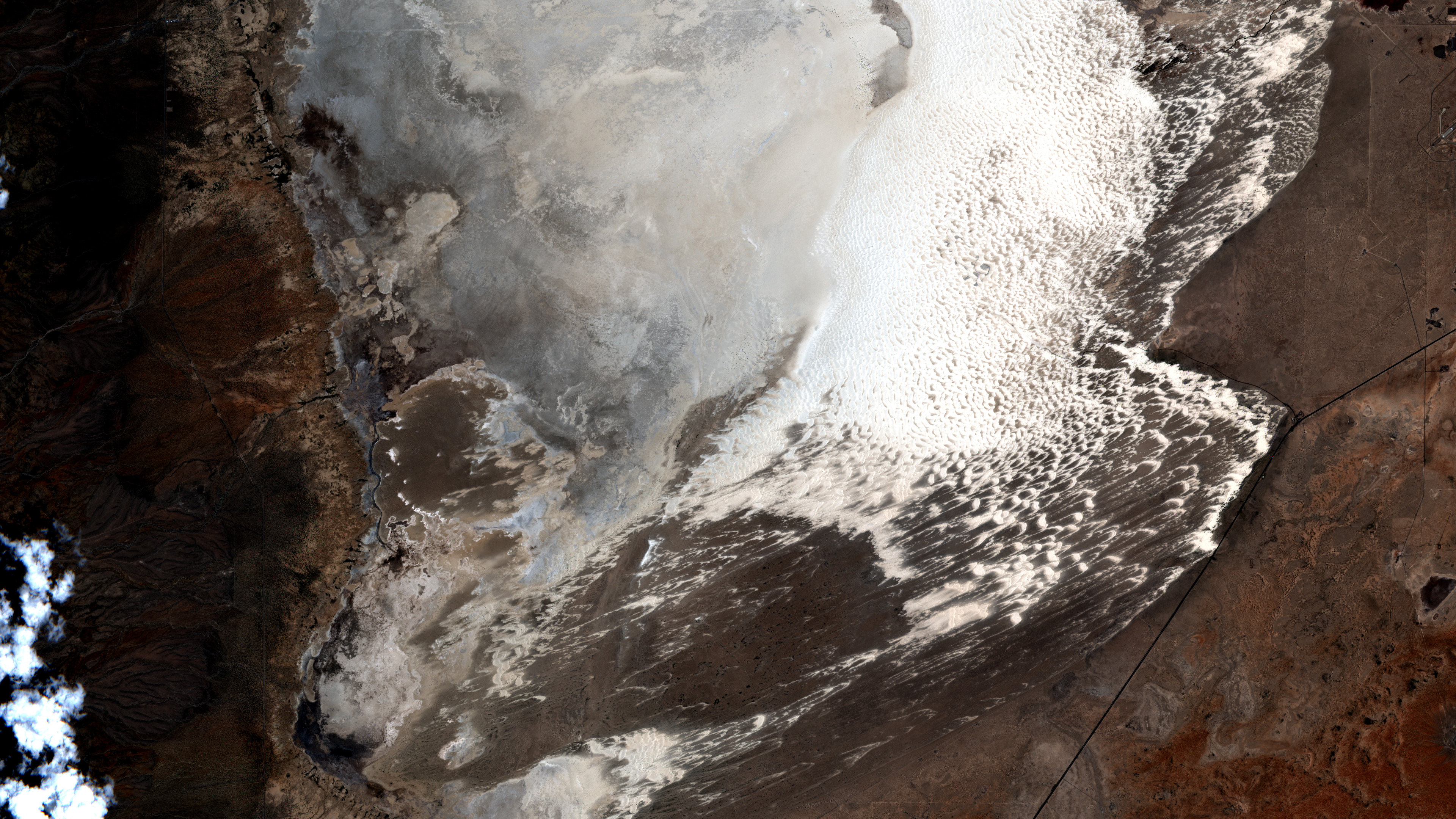
The Assignment Editor was required to make every July 4 candidate fit the holiday, and this scene did so without needing fireworks or a city landmark. White Sands reads from orbit as a bright national-park landscape: pale dunes, brown desert, and mountain shadows forming a graphic Fourth of July image in the Tularosa Basin.
What we are looking at
This enhanced Sentinel-2 view centers on White Sands National Park in southern New Mexico. The white field is gypsum sand, while the darker land around it is desert basin, roads, and mountain-front terrain. A same-crop natural/reference render is available for readers who want the more restrained color version.
Why it matters
White Sands is not ordinary beach sand. The National Park Service describes it as the world's largest gypsum dunefield, covering 275 square miles of desert, and NASA explains that the brightness comes from gypsum linked to ancient Lake Otero and later wind-shaped into dunes.
Why Orbital Vigil selected it
Orbital Vigil selected this image because the scene is both thematically precise and visually strong. On Independence Day, the image offers a quiet public-land version of red, white, and blue: white dunes, rust desert, and cool shadows, all visible in one clean crop.
Uncertainty
The image is an enhanced RGB satellite rendering, not a ground photograph and not a measurement of dune movement or park visitation. Small clouds and a few infrastructure features are visible near the edges of the crop.
Published July 4, 2026 from an acquisition on July 3, 2026.